Industry Observation | November 2026
Finland is part of Northern Europe’s established forest-based industries. Its forestry resources, wood-processing infrastructure and experience in engineered wood products provide an important context for understanding the country’s birch plywood sector.
For anyone researching birch plywood manufacturers in Finland, it is useful to look beyond the number of factories and consider the underlying factors that shape plywood production: forest resources, timber quality, veneer manufacturing, industrial processing and European market requirements.
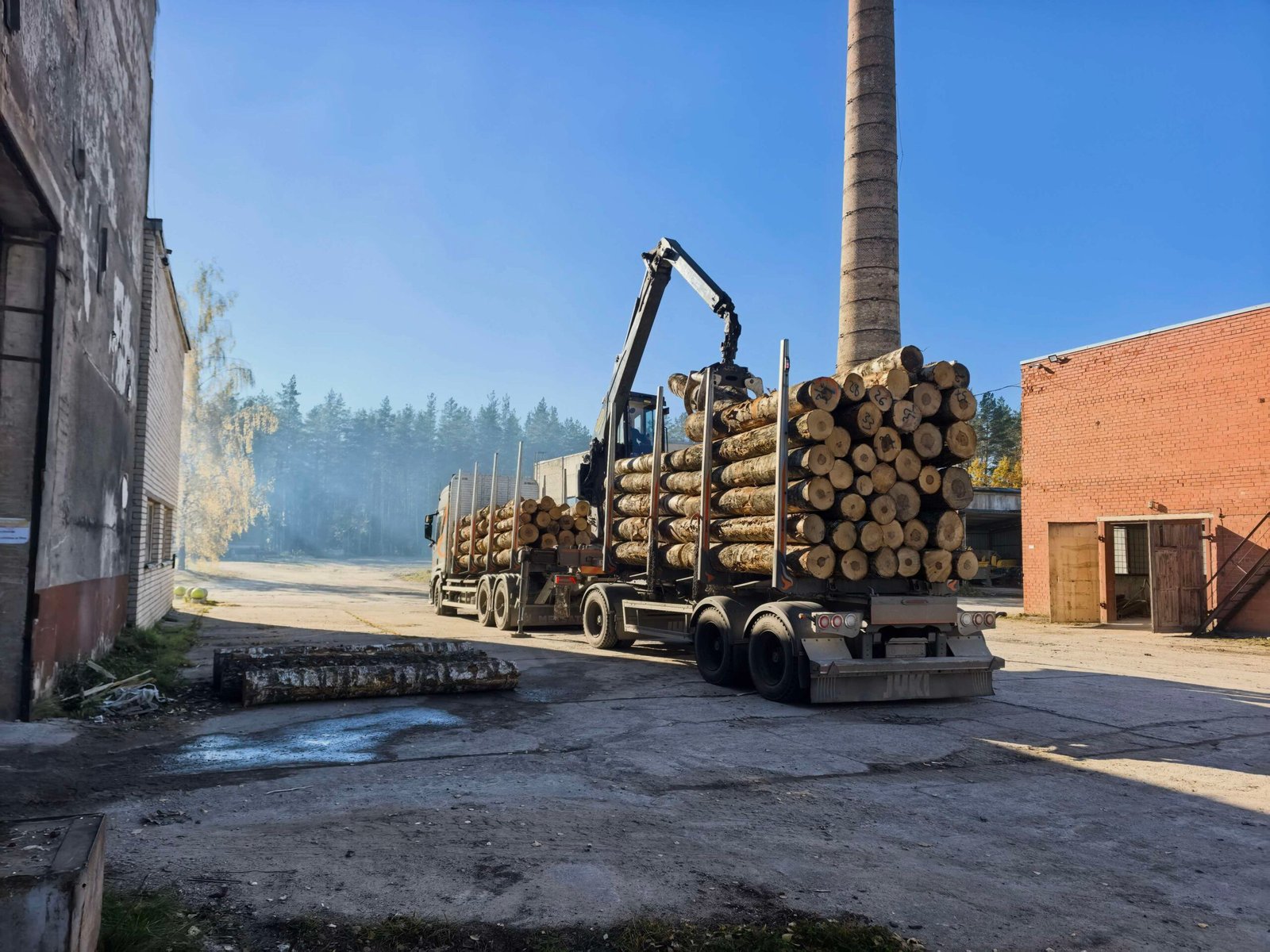
1. Birch as a Raw Material
Silver birch (Betula pendula) and downy birch (Betula pubescens) are two native birch species found in Finland.
Birch is used in several wood-processing applications, including plywood, veneer, furniture components and other engineered wood products.
The suitability of birch for plywood manufacturing depends on factors such as log dimensions, wood quality, moisture conditions and the requirements of the intended product.
The availability of birch timber alone does not determine the volume of plywood production. Industrial capacity, raw material specifications, processing efficiency and market demand also influence manufacturing activity.
2. From Birch Logs to Plywood Panels
Birch plywood production generally involves several industrial stages.
First, selected logs are prepared for veneer production. Rotary peeling or other suitable veneer-production methods are then used to produce thin wood sheets.
The veneers are subsequently dried, graded and assembled into layers. Adhesive is applied according to the product specification, and the assembled panel is pressed under controlled conditions.
Further processing may include trimming, sanding, surface treatment and quality inspection.
The final properties of a plywood panel depend on multiple variables, including veneer quality, panel construction, adhesive system, pressing conditions and finishing operations.
3. The Importance of Product Composition
The expression “birch plywood” does not necessarily mean that every veneer layer in a panel is birch.
Buyers should distinguish between:
- 100% birch plywood, manufactured using birch veneers throughout the panel.
- Birch-faced plywood, where birch is used for the surface veneers but other wood species may be used in the core.
- Mixed-species plywood, incorporating different wood species according to the product design.
This distinction matters when evaluating panel weight, appearance, mechanical properties and suitability for specific applications.
Product descriptions should therefore be supported by technical specifications or manufacturer declarations.
4. Quality and Technical Requirements
Plywood intended for European construction and industrial applications may be subject to different technical and regulatory requirements, depending on its intended use.
Relevant considerations include:
- Panel dimensions and thickness tolerances.
- Bonding performance.
- Formaldehyde emission requirements.
- Mechanical properties.
- Surface quality and veneer grading.
- Moisture content and dimensional stability.
- Applicable product documentation.
For structural applications, the relevant harmonised technical specifications and declaration requirements must be checked against the product’s intended use and applicable European legislation.
Not every plywood product has the same regulatory obligations, and technical claims should be supported by appropriate testing and documentation.
5. The Wider Northern European Supply Chain
Finland’s birch plywood industry should be considered within the broader Northern European wood-processing landscape.
Timber procurement, veneer production, plywood manufacturing, further processing and distribution are distinct activities. They may take place in different locations and countries.
Consequently, the geographical origin of the timber should not automatically be confused with the manufacturing origin of the finished plywood.
For international buyers, understanding these distinctions is important when evaluating supply-chain transparency and product documentation.
6. What Shapes the Future of Birch Plywood Manufacturing?
The long-term development of the birch plywood industry is influenced by several interconnected factors:
- Availability and quality of suitable birch timber.
- Efficiency and investment in wood-processing technology.
- Energy and production costs.
- Demand from construction, transport and industrial applications.
- Product quality and consistency.
- Environmental and regulatory requirements.
- Traceability and responsible sourcing.
These factors provide a useful framework for understanding the industry’s development without relying on unsupported market forecasts or manufacturer rankings.
Conclusion
Finland’s birch plywood industry is best understood through its forest resources, manufacturing processes, technical requirements and connections with the wider European wood-processing sector.
For buyers, researchers and industry professionals, examining raw material composition, production methods, product specifications and traceability provides a more reliable basis for understanding birch plywood than relying solely on country-of-origin descriptions.
Editorial note
This article is an informational industry observation. It does not rank, recommend or evaluate individual manufacturers. Technical and regulatory references should be checked against the latest official publications and the requirements applicable to each product.